
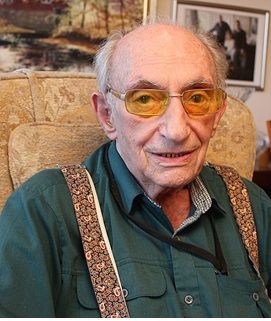
In memory of the survivor of the wars, Walter Frankenstein. 100 years old, died in Stockholm April 21, 2025.
- In memory of the survivor of the wars, Walter Frankenstein. 100 years old, died in Stockholm April 21, 2025.
- After the war
- The refugee camps and the Jewish migration
- Greifenberg – from Hitlermädchen to kibbutz
- Everyday life and survival
- The road to Palestine
- Epilogue: From Bavaria to Israel
- Fact box: The Kibbutz in Greifenberg, Bavaria – Nursery for the new state of Israel
- Time series: Walter Frankenstein’s journey from Bavaria to Palestine
- Quiz: The Kibbutz in Bavaria – a nursery for the new state of Israel
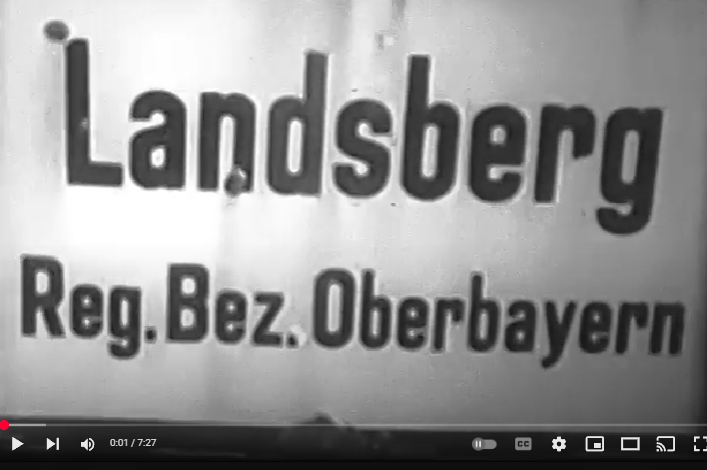
Landsberg am Lech, sixty kilometers west of Munich, has a dark history. The town is known as the cradle of Nazism – but also its cemetery. It was here, after the Beer Hall Putsch of 1923, that Adolf Hitler was imprisoned and wrote Mein Kampf .

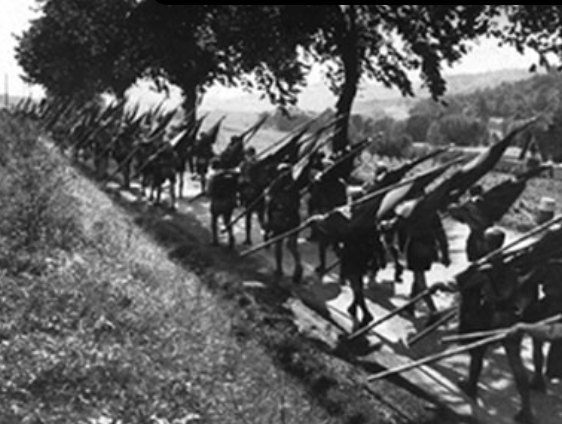
During the Nazi era, Landsberg became a pilgrimage site for the Hitler Youth, with streets named after the dictator himself.
The city walls bear traces of older wars and abuses. One is from Gustaf II Adolf’s ravages in the 17th century – with marks from cannonballs in the walls of the houses.
After the war

As World War II drew to a close, the area around Landsberg was filled with concentration camps . Tens of thousands of slave laborers, many of them Jewish, died of starvation and hardship while building bunkers for Messerschmitt’s new aircraft.
American troops liberated the camps in the spring of 1945. At that time, the local population was forced to bury the bodies. Contacts between the local population and the Jews in the camps were strained .
After the war, Landsberg Fortress was transformed into a prison for war criminals – 285 of them were executed between 1945 and 1951, many former SS guards from Dachau.

The refugee camps and the Jewish migration
In the ruins of defeated Germany, millions of homeless people gathered – so-called DPs, displaced persons . By the end of 1946, there were a quarter of a million Jews in these camps, most of them from Russia and Poland, many after the pogrom in Kielce. Life in the camps was hard: lack of food, poor sanitary conditions and often still wearing striped clothes from the concentration camps. The dream of Palestine was alive and well, but British authorities limited immigration to 1,500 people per month.
Greifenberg – from Hitlermädchen to kibbutz

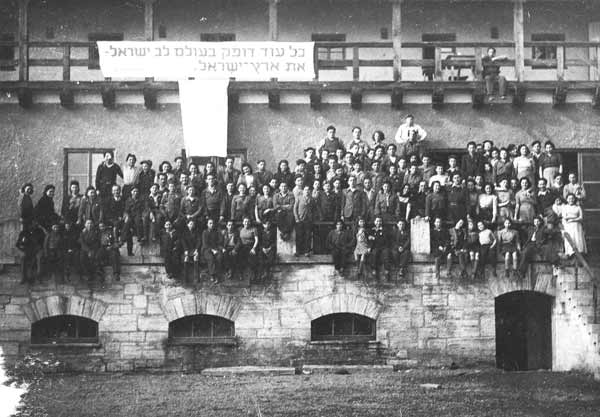
Amidst this uncertainty, an unexpected nursery for the future of Israel was born. In Greifenberg, near Landsberg , a former leadership school for Hitlermädchen was converted into a Jewish kibbutz and training camp. Here, young men and women, many survivors of concentration camps and partisans of the Eastern Front, gathered.
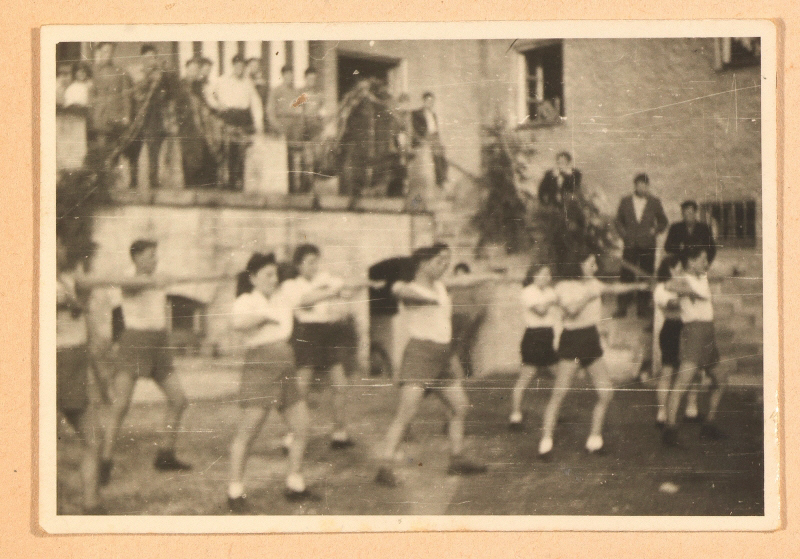
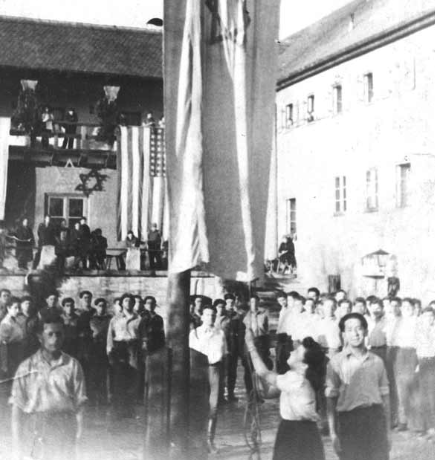
Here they were trained in agriculture, crafts and Hebrew – but also in self-defense and physical training for a new life in Palestine. Walter remembers a visit from Zionist leader David Ben Gurion , later Prime Minister of Israel.
Walter Frankenstein , himself a survivor, was given the task of building up the youth’s fitness, both physically and mentally. Every morning began with gymnastics, and his knowledge of jiu-jitsu came in handy when he taught self-defense – in view of the coming war. Skis were bought in the countryside, paid for with cigarettes, the hard currency of the time. Swimming lessons became mandatory for the trip across the Mediterranean.
Sports were important in alleviating the trauma of the war. Walter gave a war wounded man his gun and said: shoot at the wall with a swastika. It helped.
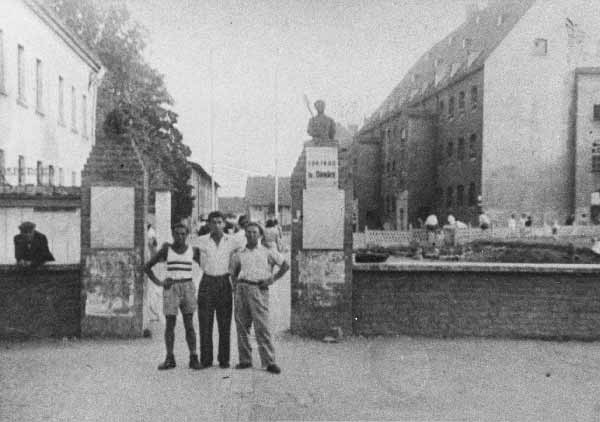
Walter’s wife Leoie and two sons were already in Palestine. They were allowed to emigrate there in exchange for Walter Frankenstein’s participation in the Brischa camp and refugee transports across the Mediterranean.
Everyday life and survival
Life in Greifenberg was marked by scarcity and improvisation. American military trucks brought packages from UNRRA – cigarettes, coffee and canned goods – which were exchanged for services and goods in the area. Cigarettes were used to pay the dentist and buy an ox for a wedding in the camp.

When Walter dislocated his shoulder one day, he skied the two miles to the war crimes prison in Landsberg. There, American guards let him into the infirmary, where a doctor offered him vodka before setting his shoulder right.
The road to Palestine

Finally, the escape was possible. With the help of Bricha, the secret organization that smuggled Jews to Palestine, and with false documents, Walter and about thirty others traveled on truck beds towards France. American officers looked on as UNRRA trucks were “borrowed” for the escape. French border guards waved them on, and in Belmont they were met by the mayor and a party in the square. That same evening they took the train to Lyon to celebrate National Day, and then on to Marseille.
In Marseille they were housed in a castle that had previously belonged to a Nazi collaborator. Walter was given responsibility for the food, but he was soon sent to the port to prepare ships for the emigration.
The first boat, a sailing ship from Greece, arrived loaded with cigarettes – bribes to the port police to release the cargo. The American military’s surplus stock contributed food parcels, Argentine meat and – again – cigarettes.
Epilogue: From Bavaria to Israel
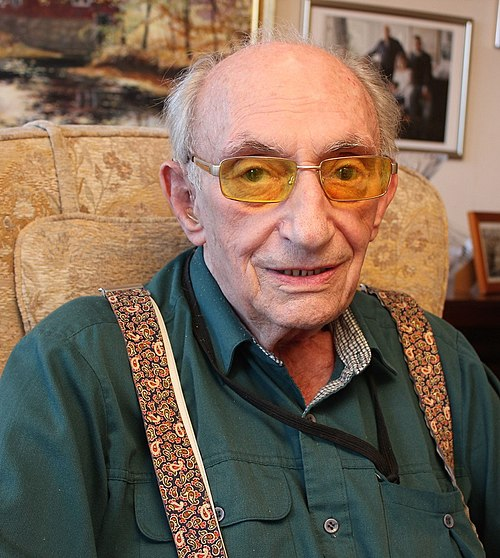
The kibbutz in Greifenberg became an incubator for the new Israel. Here, young Jews, scarred by war and persecution, were prepared for a new life – and for the fight for their own state. For a few years, this place, in the middle of the former Nazi heartland, was a nursery for Israel’s future army and society.
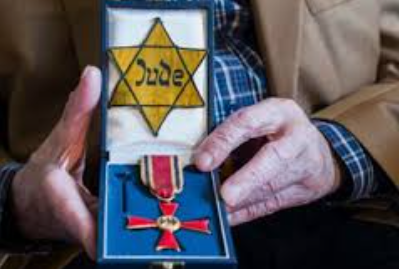
For his mission in German and Swedish schools, Walter Frankenstein received the German Republic’s Cross of Merit in 2014.
/ By Ingemar Lindmark
Fact box: The Kibbutz in Greifenberg, Bavaria – Nursery for the new state of Israel
Location:
Greifenberg near Landsberg am Lech, Bavaria, Germany
Background:
After World War II, the area around Landsberg was filled with concentration and refugee camps. By the end of 1946, there were around 250,000 Jewish displaced persons (DPs) in Germany, many survivors of concentration camps and pogroms 1 .
The Kibbutz in Greifenberg:
- A former leadership school for Hitlermädchen was converted into a Jewish kibbutz and training camp.
- Young men and women, Holocaust survivors and Eastern Front partisans gathered here.
- The training included agriculture, crafts, Hebrew, self-defense and physical training for a new life in Palestine 1 .
Purpose:
To prepare Jewish survivors for emigration to Palestine and for life in the future state of Israel – both physically and mentally. The training also included self-defense and military preparation, in view of future conflicts 1 .
Everyday life and survival:
- Life was characterized by scarcity and improvisation.
- The US military and UNRRA delivered supplies; cigarettes were used as currency to exchange for goods and services.
- Sports and physical activity were used to process the trauma of war 1 .
The road to Palestine:
- With the help of Bricha, the secret organization for Jewish emigration, groups were smuggled to France and on to Palestine.
- American officers and French border guards often turned a blind eye to these escape attempts 1 .
Significance:
The kibbutz in Greifenberg served as an incubator for the new Israel – a place where young Jews, marked by war and persecution, were trained and organized to build and defend the future state 1 .
Key person:
Walter Frankenstein – survivor and leader of the physical and mental training in the kibbutz 1 .
Source:
StockholmsMix: ”The Kibbutz in Bavaria – a nursery for the new state of Israel”
Time series: Walter Frankenstein’s journey from Bavaria to Palestine
April 1945
- Liberation and a new beginning: Walter Frankenstein and his family are liberated by the Red Army in Berlin. They register with the Jewish community, but remain in Berlin over the summer despite difficult conditions. Walter becomes involved in Jewish sports events and comes into contact with the Jewish Brigade, which leads to him helping with illegal emigration to Palestine 7 2 .
November 1945
- The family splits up: Leonie Frankenstein and the children leave Berlin via Paris and Marseille for Palestine. Walter stays behind to work for Bricha and prepare young Jews for emigration, which means he becomes a trainer and instructor at the Greifenberg kibbutz in Bavaria. There, former concentration camp prisoners and partisans are trained in agriculture, crafts, Hebrew and physical training, in preparation for life in Palestine 2 7 8 .
Winter 1945/1946
- Training camp in Greifenberg: Walter is responsible for physical training and self-defense, teaches jiu-jitsu and also organizes skiing to strengthen the youth’s physique. He gains access to US military surplus stock, which is used as barter in the camp. During this time, he suffers a shoulder injury that is treated in the war crimes prison in Landsberg 2 .
Summer 1946
- Journey to France: Walter and about thirty others leave Greifenberg in American military trucks for France. They cross the border without any problems thanks to bribes and contacts. In France, Walter works on preparing ships for illegal emigration to Palestine, including by rebuilding cargo holds on ships in Marseille 2 8 .
October 19, 1946
- The Latrun Escape: Walter Frankenstein boards the ship Latrun with over 1,000 Jewish refugees. The ship leaves Marseille under the Panamanian flag, but is spotted by British aircraft and boarded by British soldiers off Haifa on October 31. The passengers are taken to internment camps in Cyprus, and Walter does not get closer to his family than a few hundred meters on the quay in Haifa 6 8 .
Summer 1947
- Reunion in Palestine: After 19 months, Walter is reunited with Leonie and the children in Hadera, Palestine. The family moves to a new home in Neve Hayim, where they live in simple conditions. Walter soon finds work as a bricklayer and tiler through contacts in the Haganah, the Jewish underground defense organization . 7
May 14, 1948
- Israel’s independence and military service: Immediately after Israel’s declaration of independence, Walter is called up for military service in the Givati Brigade, where he participates in the defense of Tel Aviv and Jerusalem against Egyptian forces 7 .
Quiz: The Kibbutz in Bavaria – a nursery for the new state of Israel
1. Where was the kibbutz described in the text located?
a) Near Munich
b) In Greifenberg, near Landsberg am Lech
c) In Dachau
d) In Berlin
2. What was the building in Greifenberg used for before it became a kibbutz?
a) Hospital
b) Leadership school for Hitlermädchen
c) Factory
d) Synagogue
3. In which decade did the events in the text take place?
a) The 1920s
b) The 1930s
c) The 1940s
d) The 1950s
4. What role did Walter Frankenstein have in the kibbutz?
a) Cook
b) Hebrew teacher
c) Responsible for physical and mental training
d) Camp commander
5. What skills were trained in the kibbutz for life in Palestine?
a) Agriculture, crafts, Hebrew, self-defense and physical training
b) Music and dance
c) Politics and economics
d) Art and literature
6. What were cigarettes used for in the kibbutz?
a) Only for smoking
b) As currency to exchange for goods and services
c) As a reward for the children
d) To light the stoves
7. What was the name of the secret organization that helped Jews escape to Palestine?
a) Mossad
b) Bricha
c) Haganah
d) UNRRA
8. How did sports and physical activity help the young people in the kibbutz?
a) They became better soldiers
b) They could run faster
c) It relieved the trauma of the war
d) They won competitions against other camps
9. According to the text, which famous Zionist leader visited the kibbutz?
a) Golda Meir
b) David Ben Gurion
c) Chaim Weizmann
d) Menachem Begin
10. According to the epilogue of the text, what does the kibbutz in Greifenberg symbolize?
a) The end of Jewish history in Europe
b) An incubator for the new Israel and hope for the future
c) A failed project
d) A place for recreation and vacation
Conclusion:
1: b
2: b
3: c
4: c
5: a
6: b
7: b
8: c
9: b
10: b